The Terroir of Solitude: Ancient Tea Houses and Seasonal Foraging
A slow pilgrimage through mist-drenched cedar valleys, investigating why true flavor is born of patience, minerals, and silence.
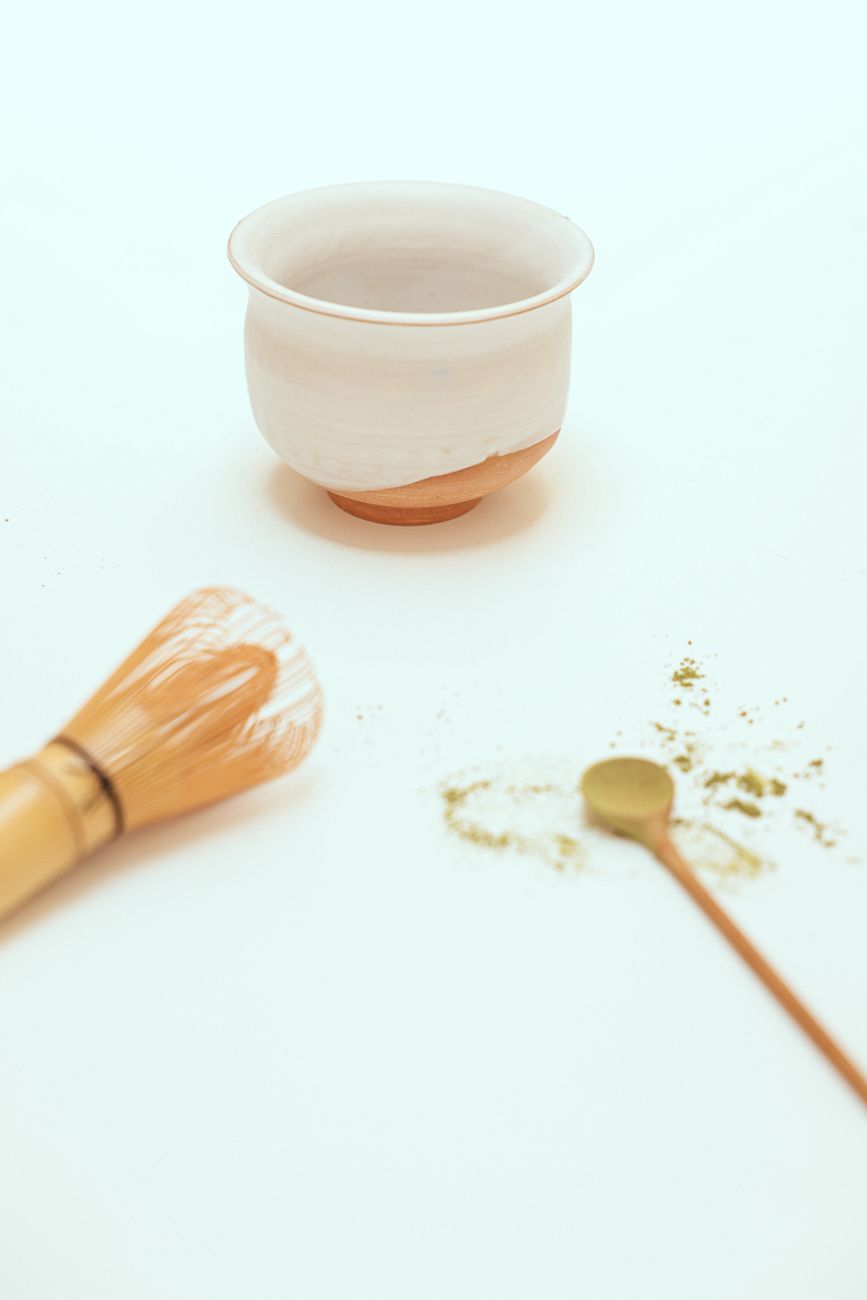
North of the imperial capital, the hills fold tightly against one another, trapping the coastal moisture rolling from the Sea of Japan. Here, along terraced riverbeds shaded by century-old cryptomeria trees, cultivation is not an act of dominion over the soil, but a modest negotiation with moss, humidity, and stone.
1. The Valley of Mist
In the village of Wazuka, tea master Hayashi walks his terraced rows at dawn before the sun burns through the mountain haze. His family has tended the same hillside plots since the late Edo era. Unlike mass-manufactured agricultural tea fields, Hayashi’s bushes grow interspersed with wild clover and mountain chestnuts.
“If you rush the curing process, you only extract caffeine and bitterness. When you shade the leaves properly with woven straw, you draw the sweetness of mountain groundwater directly into the liquor.”
The resulting infusion is cloudy, deep emerald, and thick with umami that lingers on the palate for hours. It evokes the smell of damp limestone after spring rain.
2. Mountain Herbs (Sansai)
In spring, local cuisine transforms around the harvesting of wild sansai—bitter mountain shoots gathered from roadside embankments and river bluffs. Fiddlehead ferns, butterbur buds, and wild angelica shoots are dipped lightly in rice flour batter and crisped in fragrant sesame oil over open charcoal burners.
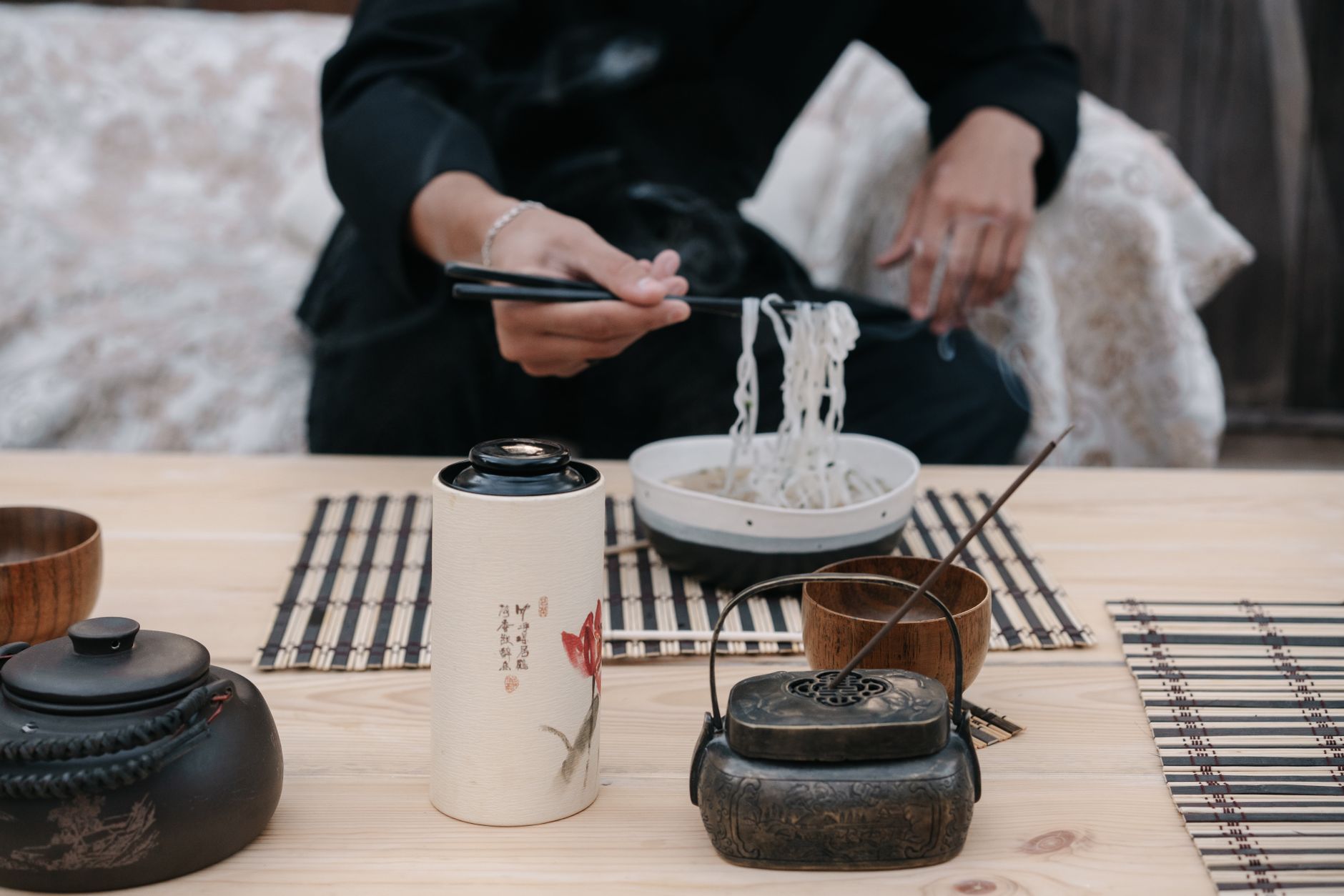
The intentional bitterness of these mountain greens serves an ancient nutritional purpose: awakening the digestive system after winter’s preserved root vegetables and stimulating alertness without industrial condiments.
3. The Vessel Matters
Gastronomy cannot be separated from the tactile weight of the vessel. We visited a wood-fired kiln in the hills where local potters bake unglazed clay vessels for seven continuous days using red pine timber. The ash settles randomly onto the clay, creating iron-rich volcanic textures that alter the tongue’s perception of liquid temperature.
Dining here is not an entertainment; it is an act of recalibration. You leave the valley carrying an acute sensitivity to salt, woodsmoke, and the clean clarity of mountain spring water.