Echoes in Granite: Surviving the High Alpine Routes with Grace
Reflections on silence, cold winds, and the architectural wonder of stone refuges perched above three thousand meters.
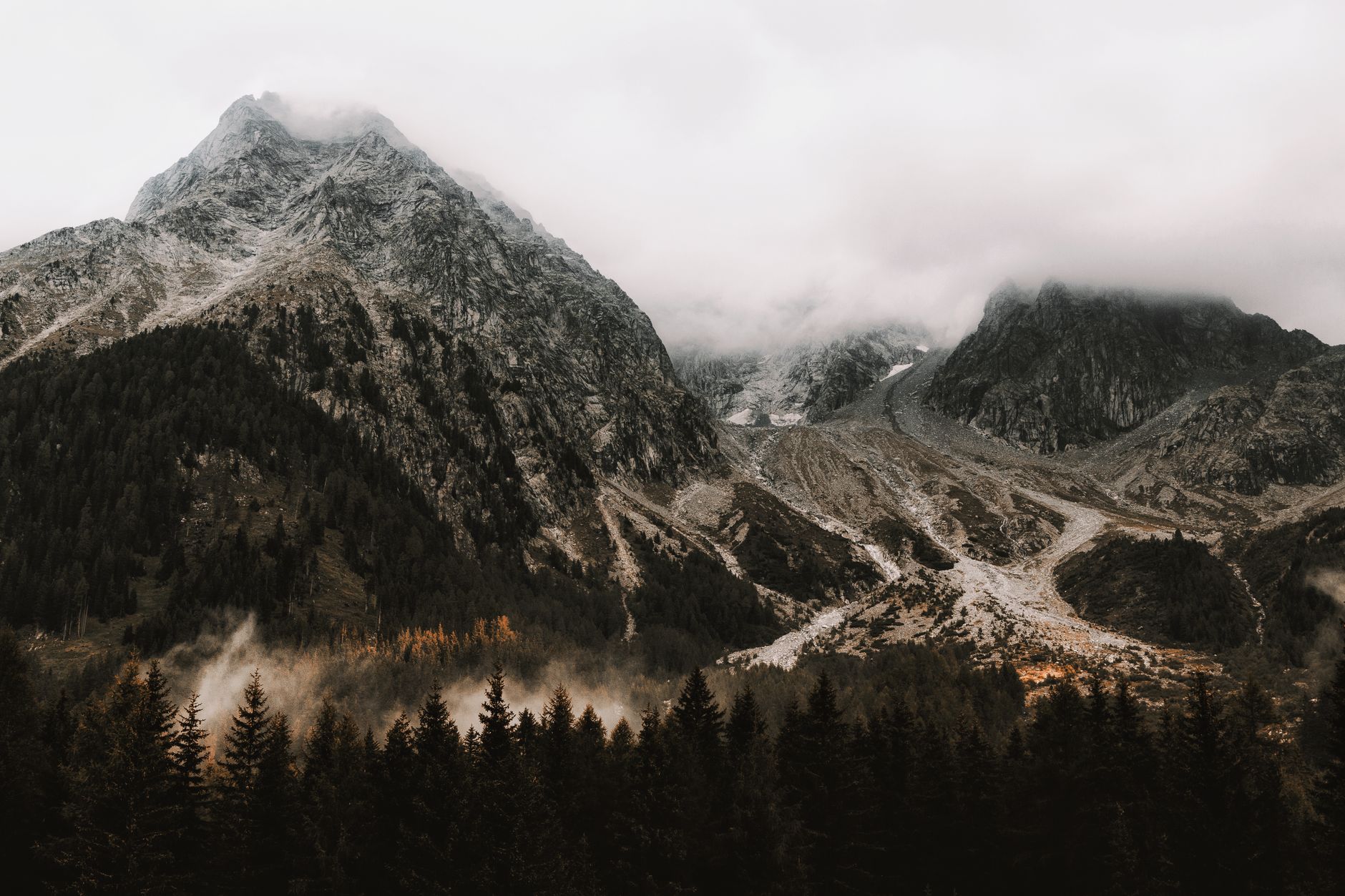
To enter the high alpine is to consent to an ancient form of sensory stripping. At four o’clock in the morning, when the thermometer hovers just below freezing, the scree fields give off a faint, metallic resonance under vibram soles. Here, the superfluous chatter of civil life ceases entirely. What remains is breath, the rhythm of your gait, and the imposing geometry of vertical stone.
1. The Geometry of Isolation
In modern leisure travel, isolation is often treated as an inconvenience to be resolved with digital tethering. In the high passes of the southern European range, however, disconnection is the core currency. When clouds sink into the valleys below, one is suddenly marooned on an archipelago of stone islands floating above an endless sea of mist.
“The mountain asks nothing of your pedigree, your deadlines, or your anxieties. It demands only that you place one foot carefully in front of the other until the pass is crossed.”
We encountered no motorized vehicles for six consecutive days. Our interaction with fellow wanderers was reduced to silent nods of mutual acknowledgment and shared thermos flasks of hot black tea flavored with dried juniper berries collected from lower slopes.
2. Refuges of Stone
High mountain refuges are architectural masterworks of economy. Built from rough-hewn granite slabs and reinforced timber, they withstand gales that would strip modern stucco in hours. Within their walls, communal meals are served on unvarnished pine boards: bowls of polenta stirred over wood embers, cured mountain ham, and local sheep’s curd.
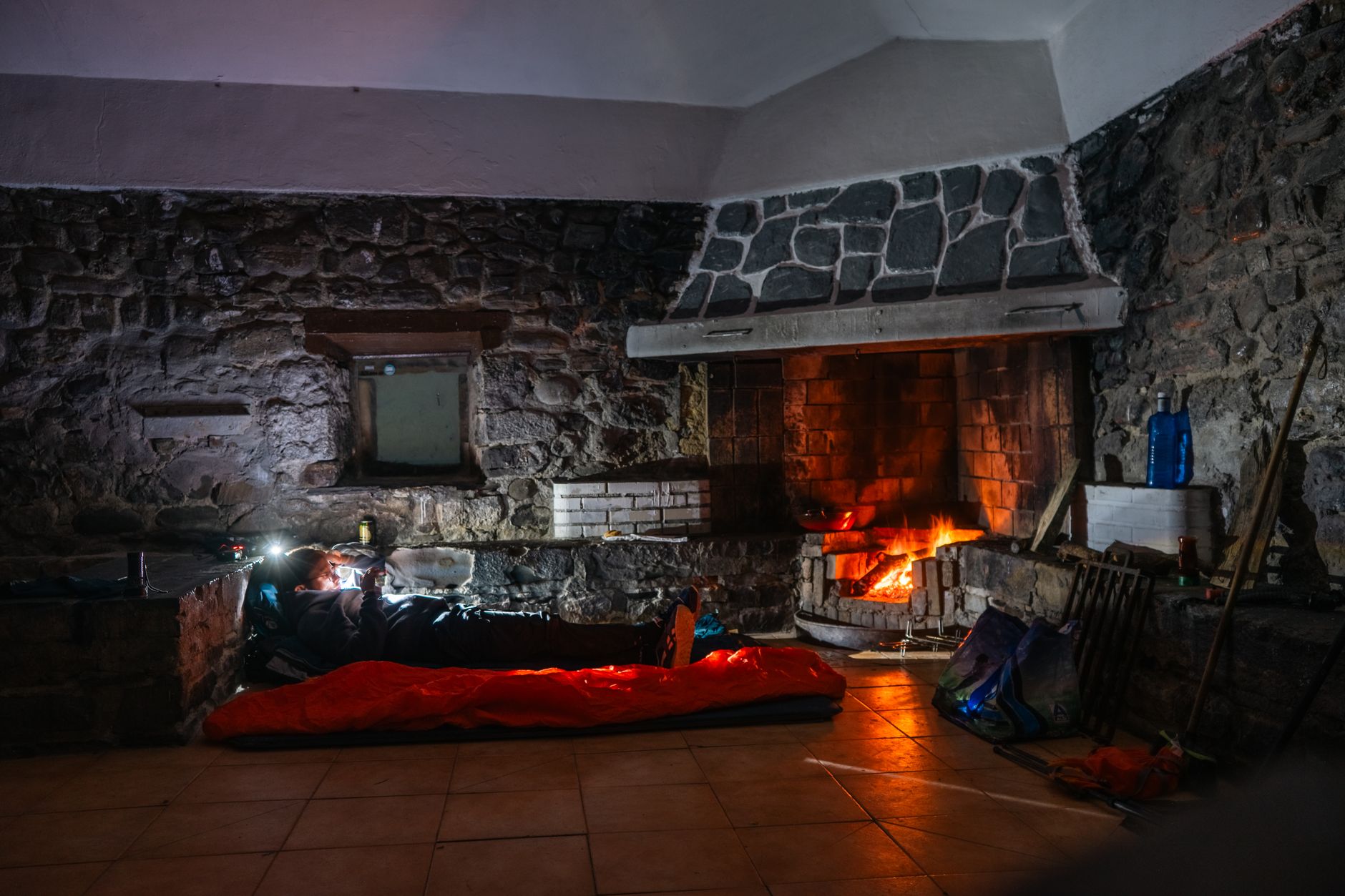
There is a rare intimacy in these shelters. Writers, retired cartographers, and local mountaineers gather around cast iron stoves, drying socks and recording notes in weathered journals. Conversation revolves around wind direction, barometric pressure, and route conditions rather than global headlines.
3. The Mathematics of Weight
Traveling these heights demands ruthless minimization. Every gram carried uphill translates into physical fatigue over a twenty-kilometer push across scree. After years of testing, our pack checklist has reduced to:
- A single tailored merino wool base layer and windproof ripstop shell.
- A mechanical titanium stove capable of burning localized white gas or spirits.
- Two compact notebooks bound in vegetable-tanned leather to resist humidity.
- Essential emergency alpine medicine and a paper topographical chart scaled to 1:25,000.
When you shed unnecessary items, you gain mental lucidity. The mind stops inventorying possessions and starts observing the subtle shift of alpine light across granite faces.